The Thrill of Gambling
The allure of casinos is not just the potential financial gain; it largely stems from the thrill and excitement they offer. This adrenaline rush is a significant factor in why people are drawn to gambling. In fact, the excitement is so palpable that it can be similar to the experience one might find at a poker site. The possibility of winning big creates a heightened emotional state that can be intoxicating. As players place their bets, their brains release dopamine, a neurotransmitter associated with pleasure and reward, enhancing the thrill of the experience.
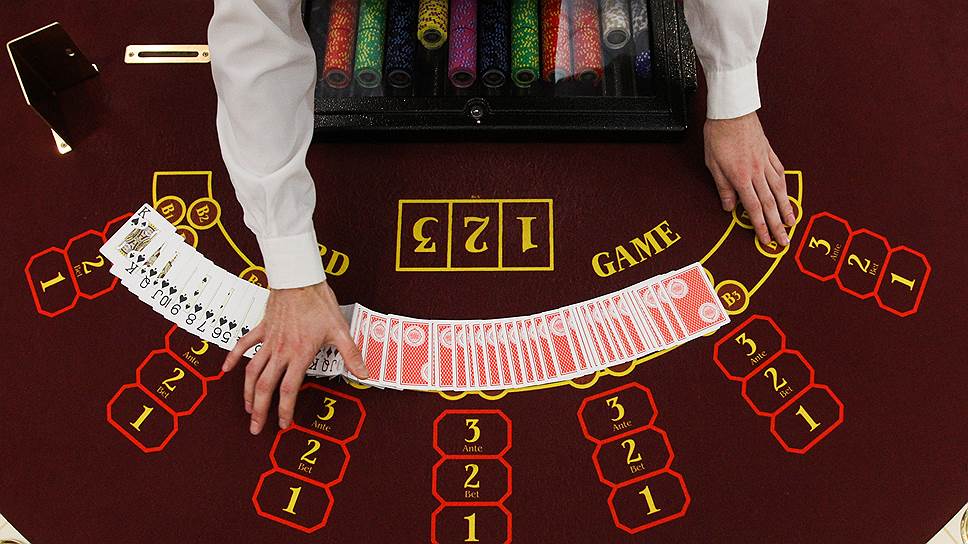
This psychological response can lead to a cycle of excitement and risk-taking behavior, making players more likely to engage with the games despite the odds often being against them. Understanding this thrill helps to explain why many gamblers continue to return to the casino, often chasing the high of their past wins or the hope of future success.
The Role of Cognitive Biases
Cognitive biases play a crucial role in how individuals perceive their chances of winning at the casino. Many gamblers fall victim to the illusion of control, believing they have more influence over the outcome of random events than they actually do. This mindset can lead players to take unnecessary risks, reinforcing their desire to continue gambling in hopes of recapturing that elusive win.
Additionally, the gambler’s fallacy can also come into play. This is the misconception that past events influence future outcomes in games of chance. For example, a player might assume that after a series of losses, they are “due” for a win, leading them to gamble more. Awareness of these cognitive distortions can help gamblers make more informed choices and potentially mitigate losses.
The Impact of Environment and Social Influences
The environment of a casino is meticulously designed to enhance the gambling experience. Bright lights, engaging sounds, and the absence of clocks all contribute to a setting that keeps players entertained and disoriented regarding time. This sensory overload can make it challenging for individuals to maintain a sense of control over their gambling behavior.
Moreover, social influences also play a significant role in gambling dynamics. The presence of other players can create a sense of camaraderie or competition, motivating individuals to continue playing. This social aspect can amplify the excitement and contribute to the psychological need to win, further entrenching players in the gambling experience.
Strategies for Psychological Resilience
Understanding the psychological factors at play in gambling can empower players to develop strategies for resilience. One effective approach is setting strict limits on time and money spent at the casino. By establishing boundaries beforehand, gamblers can reduce the risk of impulsive decisions driven by emotion or cognitive distortions.
Moreover, educating oneself about the nature of random games and the odds involved can foster a more realistic outlook on winning and losing. By cultivating a balanced perspective, players can enjoy the thrill of gambling while being more mindful of the potential repercussions and the importance of responsible gambling practices.
Insights for Investors and Enthusiasts
For those exploring the intersection of gambling psychology and finance, valuable insights can be drawn from these psychological principles. Just as gamblers must navigate their emotions and cognitive biases, investors must also be aware of the psychological dynamics at play in the financial markets. Understanding these elements can lead to more effective decision-making and risk management.
This website aims to provide investors with discussions and resources that mirror this understanding, helping both novice and experienced individuals enhance their trading strategies. By fostering awareness of psychological influences, users can make informed choices and boost their effectiveness in their investment pursuits.